
Preschool teachers spend every day guiding, comforting, teaching, and learning alongside tiny humans. Classrooms are full of laughter, curiosity, creativity, and sometimes very unexpected moments. While parents often see the artwork and stories that come home, they may not always see the small moments that show just how much children grow.
For families new to early childhood education, it can be surprising how much learning happens in a preschool classroom. Understanding the basics of toddler development helps parents see why teachers encourage independence, play, and exploration during the early years.
Here are ten things preschool teachers truly wish parents knew.
1. Learning Happens Through Play
In early childhood education, play is not just entertainment—it is how children naturally learn about the world. When children build with blocks, explore sensory bins, or engage in pretend play, they are developing creativity, problem-solving skills, and social interaction.
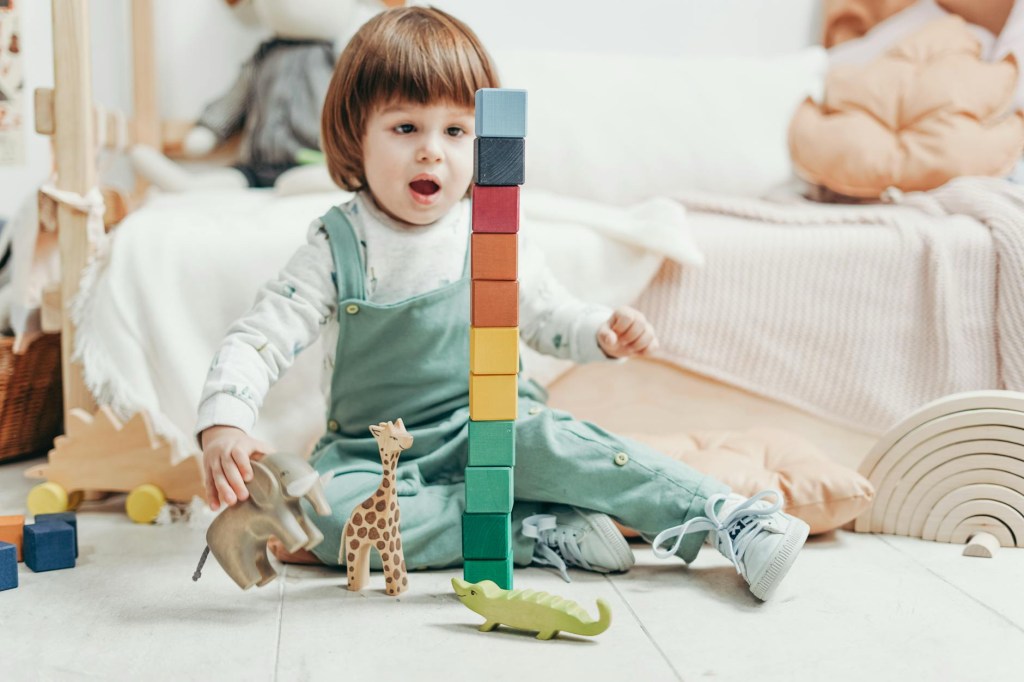
One group of toddlers once stacked blocks into what they proudly called a rocket ship. A few minutes later it became a pizza shop, and by the end of the morning it had turned into a dinosaur hospital. What looked like simple play was actually imagination and toddler development in action.
2. Independence Is a Big Goal
A major goal in early childhood education is helping children develop independence. Preschool teachers encourage children to try everyday tasks on their own—putting on jackets, washing hands, cleaning up toys, and opening lunch containers.
One determined child once spent several minutes trying to zip his own jacket. When he finally succeeded, he threw both arms into the air and proudly shouted, “I did it all by myself!” Moments like this help build confidence and support healthy toddler development.
3. Treating Preschoolers Like Babies Makes School Harder
Parents naturally want to help their children with everything, but allowing children to try tasks independently helps them adjust to school more easily.
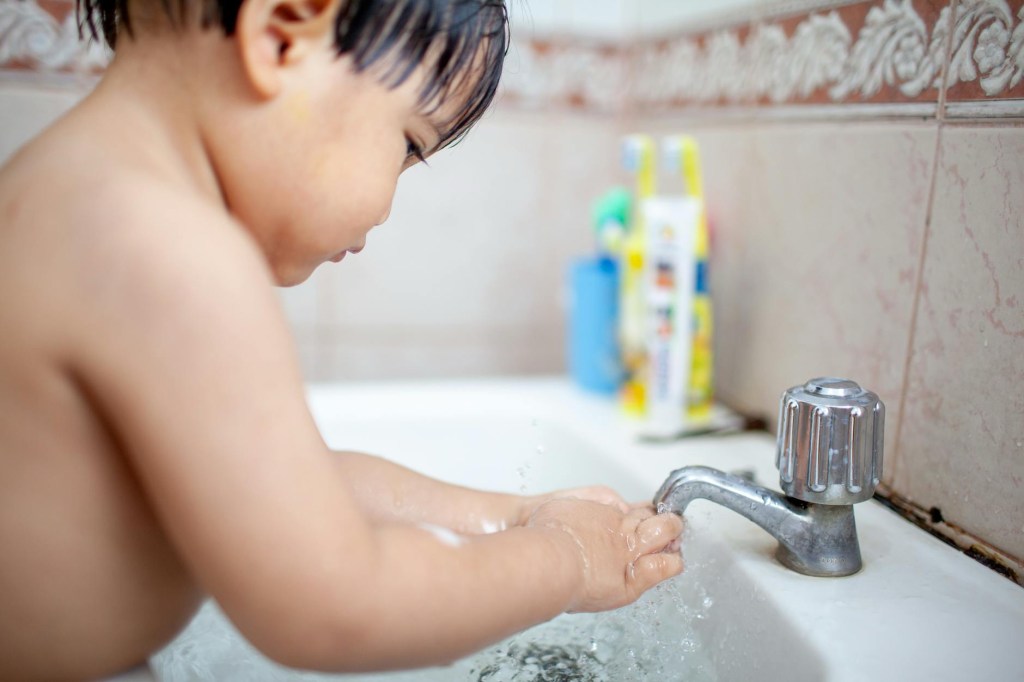
Children who are given opportunities to practice independence often feel more confident in preschool settings. In classrooms focused on early childhood education, independence helps children participate more comfortably in daily routines.
One child once looked at his snack container and calmly explained, “My mommy does this part.” After a little encouragement, he opened it himself and proudly told the table, “I’m big now.”
4. Messy Clothes Often Mean a Great Day of Learning
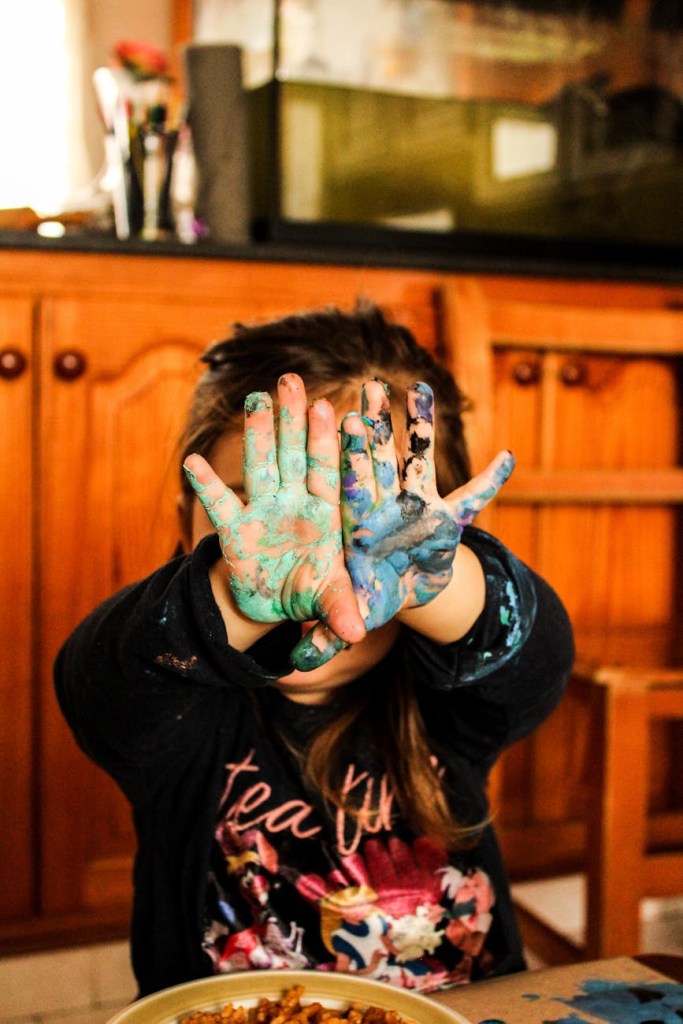
Hands-on exploration is an important part of early childhood education. Art activities, sensory play, and creative learning allow children to experiment and discover.
Sometimes that learning gets messy. During one painting activity, a child looked at her blue-painted hands and excitedly announced, “Look! I’m a Smurf!” Within seconds several other children decided they wanted to be Smurfs too.
Paint on sleeves, glue on fingers, and sand in shoes often mean children had the freedom to explore and support their toddler development.
5. Social Skills Take Time
Preschool is often a child’s first opportunity to practice sharing, taking turns, and cooperating with other children.
Teachers guide children through these situations because social growth is a key part of early childhood education. Two toddlers once argued over the same toy truck until one of them declared very seriously, “You can have the truck… I’ll take the wheels.”
Learning patience and cooperation is an important part of toddler development.
6. Routines Help Children Feel Safe
Daily routines are essential in early childhood education because they help children understand what to expect throughout the day. Predictable schedules make children feel safe and comfortable.
Sometimes children become the routine experts themselves. One toddler proudly stood up after snack every day and announced to the class, “Now we clean up!”—even before the teacher had a chance to say it.
7. Not All Children Communicate at the Same Age
Language skills develop at different speeds for every child. Some children begin speaking in full sentences early, while others take more time.
This is a natural part of toddler development, and variation is completely normal. In one classroom, a quiet child who rarely spoke suddenly raised his hand during circle time and confidently said, “I like dinosaurs and cookies.” The entire class clapped like he had delivered an important speech.
8. Preschool Is Not Just About ABCs and 123s
Parents sometimes expect preschool to focus mostly on letters and numbers. While those skills are introduced, much of early childhood education focuses on social and emotional development.
Children learn how to express their feelings, work together, and solve problems. During one circle-time discussion about emotions, a child raised his hand and said very seriously, “My feeling today is… hungry.”
9. Teachers Truly Care About Your Child
Preschool teachers form strong connections with the children they teach. Supporting children through milestones is one of the most meaningful parts of working in early childhood education.
One child once ran across the playground yelling, “Teacher! Teacher! I tied my shoe!” The knot was enormous and barely recognizable, but the pride on his face made the moment worth celebrating.
10. Childhood Is Not a Race
Every child grows and learns at their own pace. Some children master skills quickly, while others need more time to feel comfortable.
This is a natural part of toddler development. With patience, encouragement, and support, children gradually grow into their abilities. When a teacher once asked her class what they wanted to be when they grew up, one child confidently raised his hand and said, “A dinosaur.”
In preschool classrooms, imagination and growth happen in their own time.
Growing Together
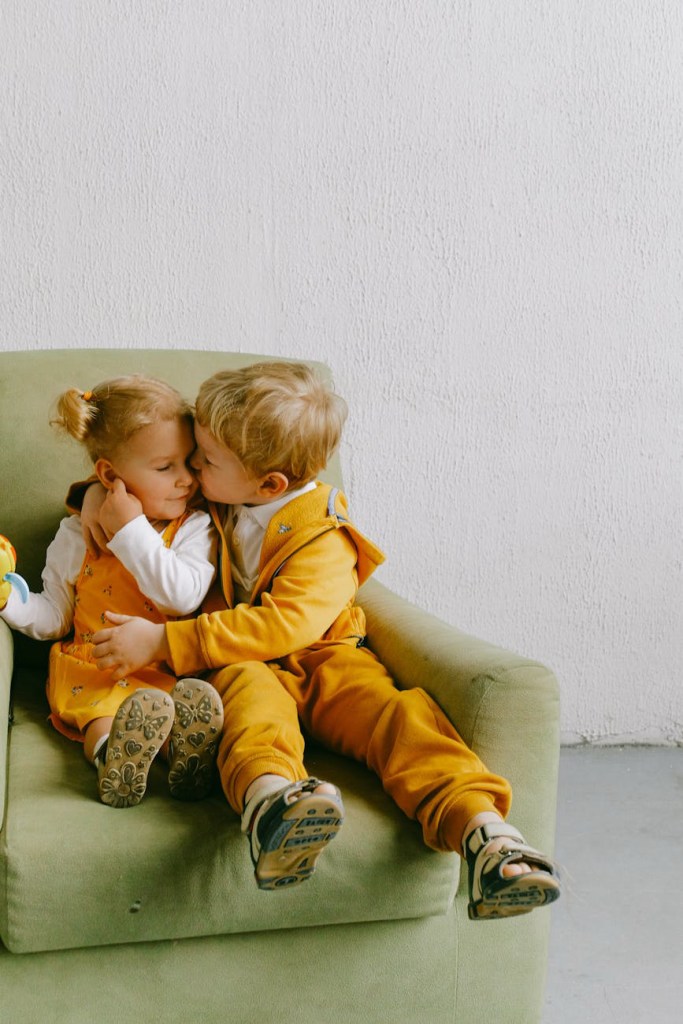
The early years are full of curiosity, laughter, and discovery. When parents and teachers work together, children feel supported both at home and in the classroom.
Understanding early childhood education and the stages of toddler development can help families appreciate the many small milestones that happen during these early years. Each day in a preschool classroom brings new learning experiences, unexpected humor, and meaningful growth for tiny humans who are just beginning to explore the world.
 Growing With Tiny Humans
Leave a comment