
Potty training is one of those milestones that comes with excitement, questions, and sometimes a little anxiety — both for children and the grown-ups guiding them. In early childhood, we learn quickly that children move forward when they are ready, not when the calendar says they should be. That’s why potty training readiness is such an important concept for families and educators to understand.
Below, I’m sharing what I’ve learned over the years — rooted in child development, classroom practice, and lots of patience with tiny humans.
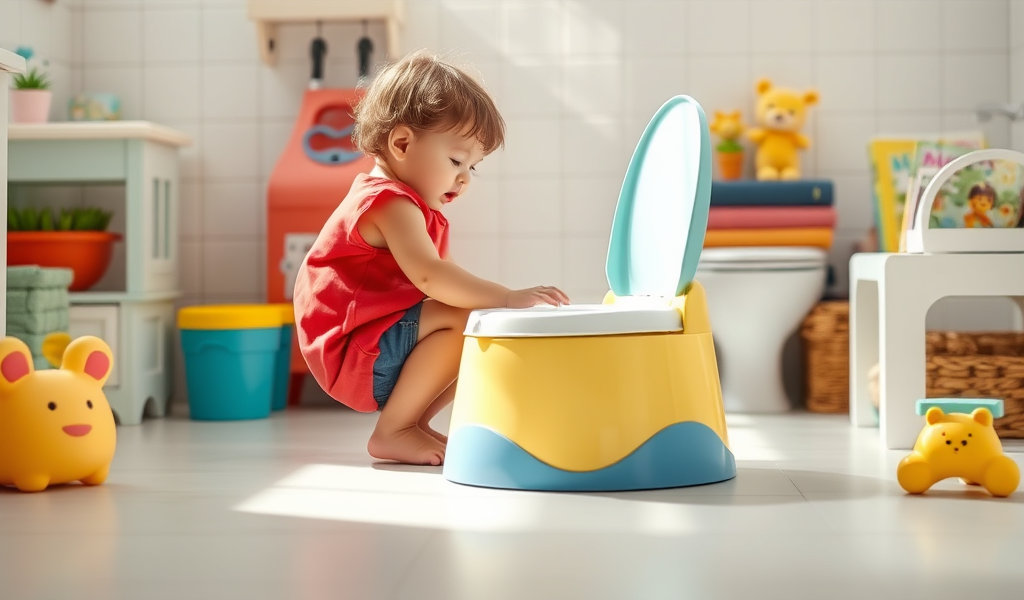
Noticing the First Signs of Potty Training Readiness
Children communicate readiness in many little ways. Sometimes it’s by staying dry longer. Sometimes it’s showing curiosity about the bathroom. Sometimes it’s simply wanting to imitate an older sibling or classmate.
This early stage matters because potty training readiness isn’t just about physical capability — it’s a combination of emotional comfort, body awareness, curiosity, and trust. When these pieces come together, learning becomes easier, safer, and much more positive.
In both home and school settings, we don’t rush the process. Instead, we observe. We follow the child’s cues. We allow exploration without pressure. When the child’s interest meets their developmental timing, potty training becomes a natural next step.
Why Potty Training Cannot Be Forced
One important truth I always share with families is this:
We cannot — and should not — force potty training.
Children thrive when they feel safe, supported, and respected. Forcing before potty training readiness can lead to fear, resistance, anxiety, or power struggles. Introducing the potty gently is enough. Letting them sit on it fully clothed, reading books about it, or letting them watch an adult routine helps remove the mystery and normalizes the process.
The goal at this stage is familiarity, not performance.
Your child doesn’t need to “produce” anything at first — they just need positive, calm exposure.
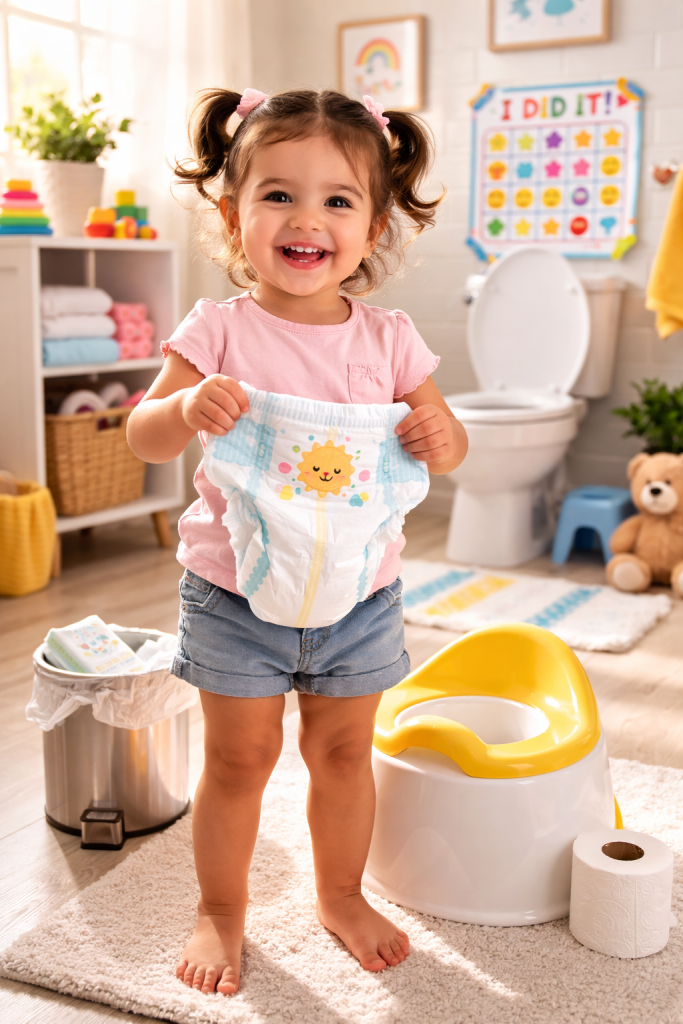
The Power of Positive Reinforcement
If there is one magic ingredient in this journey, it’s positive reinforcement. Children grow when we notice their effort, cheer for their progress, and celebrate the small steps.
Positive reinforcement helps by:
- Encouraging confidence
- Reducing anxiety
- Making the process joyful
- Helping children associate the potty with safety and success
Whether it’s verbal praise, a sticker, a happy dance, or clapping together — every moment of positive reinforcement builds momentum. It sends the message: “You’re doing great. You are capable. I am proud of you.”
This doesn’t just support potty training — it strengthens emotional development and self-esteem too.
The Importance of Routine and Consistency
Children thrive with rhythm. A predictable routine helps their bodies regulate naturally. When families at home and teachers at school follow similar steps, children feel more secure. They don’t wonder what’s coming next — they already know.
This consistency supports potty training readiness more than anything else. A routine helps children:
- Understand when it’s time to try
- Recognize body cues
- Feel confident in expectations
- Transition more smoothly between environments
When home and school mirror each other, progress happens faster because the child experiences steadiness, not confusion.
Working Together: Home + School Partnership
One thing I always emphasize to families is that potty training is a shared journey. A child may begin showing potty training readiness at school, but true success happens when both environments work hand in hand.
Consistency builds trust. Trust builds progress.
Teachers can model, support, and reinforce routines. Families can continue those routines at home. With open communication, children feel guided—not pressured—every step of the way.
When the classroom rhythm echoes the home rhythm, children feel safe enough to take the next step independently.
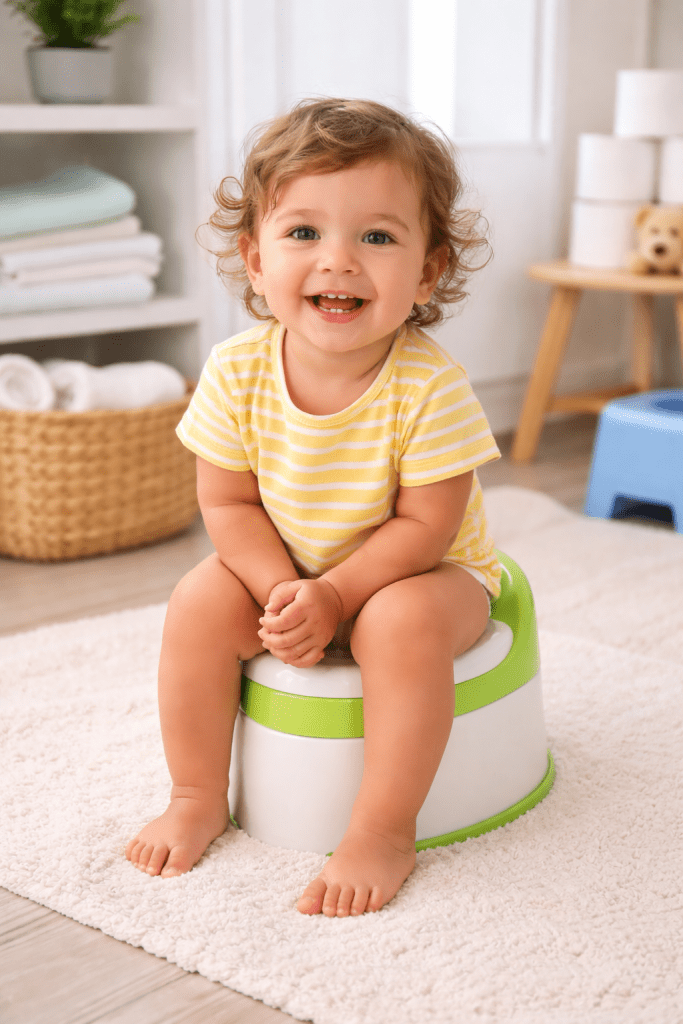
Celebrating the Wins, No Matter How Small
Every tiny victory matters. Sitting on the potty willingly. Staying dry for an hour. Telling an adult when they need to go.
These moments are worth celebrating because they show growing body awareness and emotional readiness.
Through gentle encouragement and positive reinforcement, children discover their own success. And when potty training readiness aligns with patient guidance from the adults they trust, the transition unfolds naturally.
Final Thoughts: Supporting Tiny Humans with Patience and Love
Potty training is more than a skill — it’s a journey of confidence, connection, and growth. When we honor potty training readiness, use positive reinforcement, and maintain consistent routines across home and school, children learn with joy rather than pressure.
Tiny humans thrive when their grown-ups trust the process.
And when they’re ready, they step forward proudly — one milestone at a time.
Free Potty Training Guide
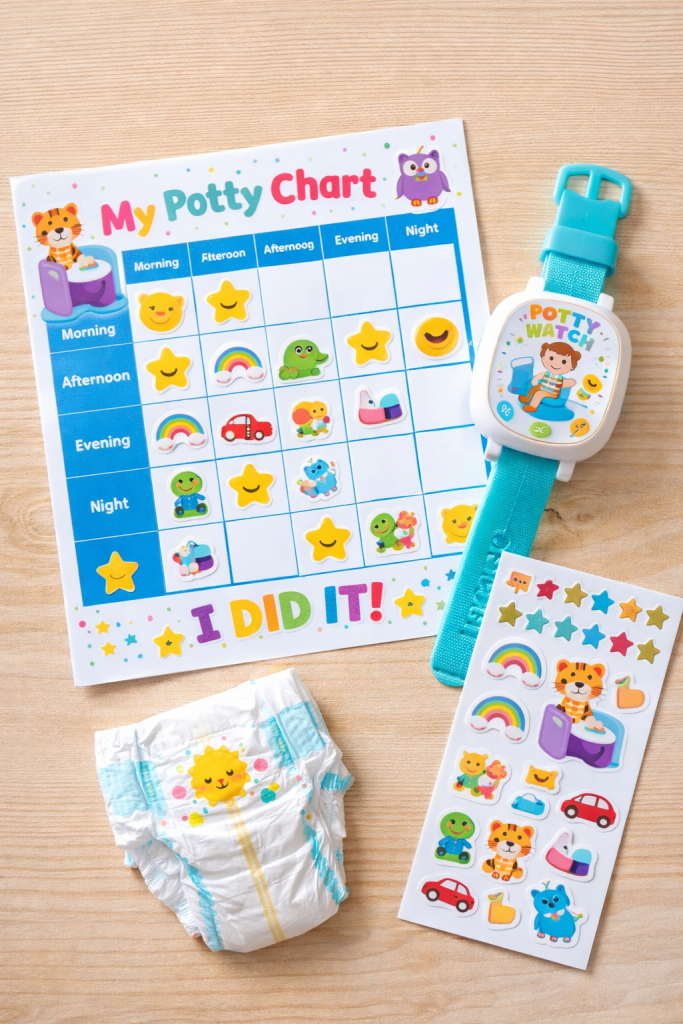
As a preschool teacher, this potty training guide for parents is the same resource I share with families so we can work together during the potty training process. It outlines recommended potty routines, clothing expectations, and helpful tools such as potty watches and reward charts. Designed to support toddler potty training, the guide encourages consistency, positive reinforcement, and teamwork between home and school to help children build independence.
Free Potty Training Chart
This potty training chart for toddlers is a simple visual tool designed to support toddler potty training routines at home and in the classroom. As a preschool teacher, this is the same chart I use in my early childhood classroom and share with parents so we can work together during the potty training process. Each chart is printed and laminated for every child, making it reusable while children track progress toward important milestones like recognizing the need to go, pulling clothes up and down, washing hands, and successfully using the potty. In class, we use gummy stickers so the chart can be reused while encouraging positive reinforcement, consistency, and independence during the potty training journey.
 Growing With Tiny Humans
Leave a comment