
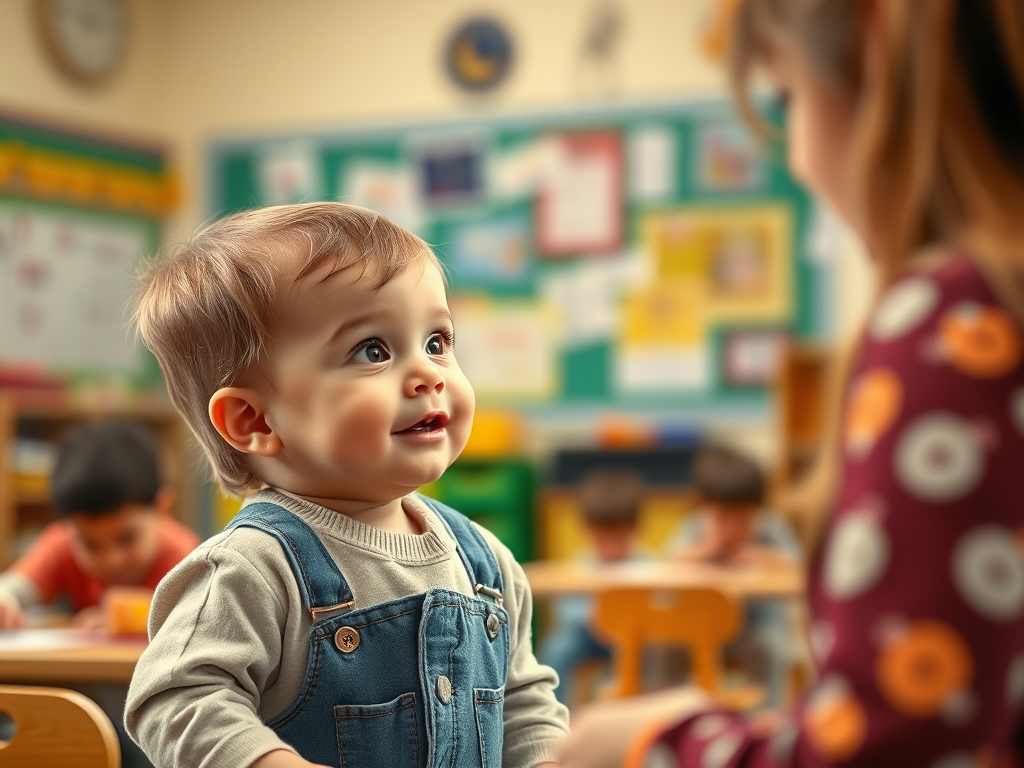
Anyone who works in early childhood education knows that toddlers and preschoolers have a special way of seeing the world. Their thoughts are honest, imaginative, and sometimes hilariously unexpected. In classrooms filled with growing personalities and developing language skills, the things tiny humans say can easily turn an ordinary day into a moment of laughter.
One of the joys of working with young children is witnessing how toddler development shapes the way they communicate. As their vocabulary grows, children begin experimenting with words, ideas, and explanations about the world around them. Their observations can be thoughtful, surprising, and often incredibly funny.
Here are some of the funniest things tiny humans have said in preschool classrooms.
When Logic Makes Perfect Sense to Them
Young children are still learning how the world works, so their explanations often follow their own creative logic.
One preschooler was once asked what he wanted to be when he grew up. Without hesitation, he replied, “A dinosaur.”
On another occasion, a teacher asked a child why he looked upset. The child sighed dramatically and said, “My feelings are broken.”
Moments like these are part of the beauty of toddler development, where imagination and reasoning grow side by side.
When They Tell the Truth… Very Honestly
Children at this stage are still learning social filters. In early childhood education, teachers quickly discover that toddlers tend to say exactly what they are thinking.
During circle time, a teacher once asked the class how everyone was feeling that morning. One child answered very seriously, “Hungry.”
Another child looked closely at his teacher’s face and asked, “Why do you have lines on your face?” Before the teacher could respond, he helpfully added, “My grandma has those too.”
Their honesty may catch adults off guard, but it often leads to laughter in the classroom.
When They Mix Up Words
As language develops, children often combine words in creative ways. These little mix-ups are a normal and adorable part of toddler development.
One preschooler proudly shared, “Yesterday was my birthday day,” as if birthdays deserved two words.
Another child excitedly told the class that her family had gone to the “spaghetti store,” which the teacher later realized meant the grocery store.
Language learning is a big part of early childhood education, and these playful word inventions show how children experiment with communication.
When They Try to Solve Big Problems
Preschoolers love helping solve problems, even when their solutions are unexpected.
One teacher was trying to comfort a child who was upset about a broken toy. Another child walked over and suggested very seriously, “Ms. Jenny, we should glue his feelings.”
During another activity, a toddler began stacking puzzle pieces instead of connecting them. Curious, the teacher asked why. The child replied, “Because you said to make a fish house. Fish can’t live flat.”
Moments like these show that children are learning empathy and emotional awareness—important parts of toddler development.
When Their Imagination Takes Over
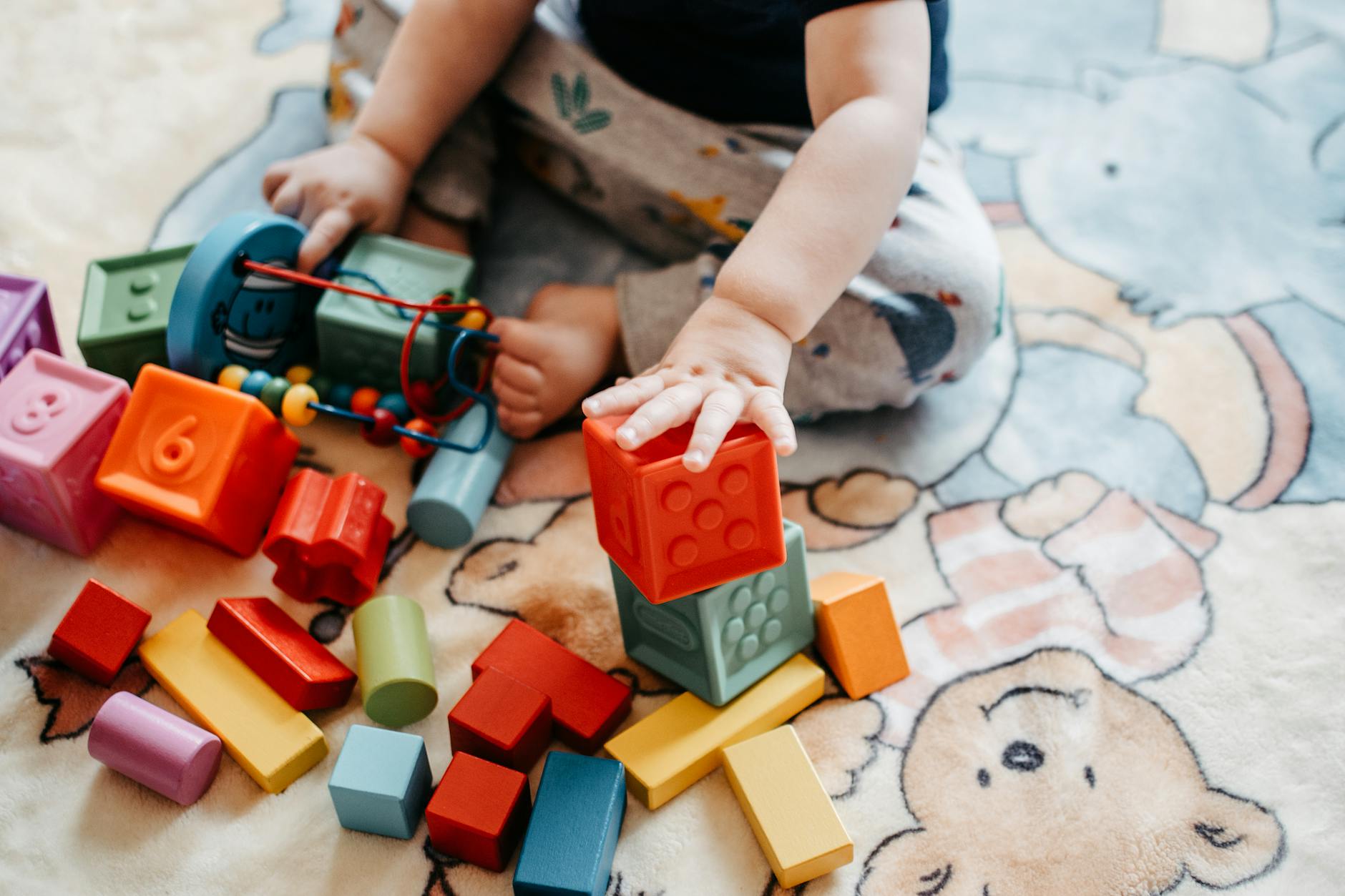
Imagination plays a huge role in early childhood education. Through pretend play, children explore ideas, stories, and experiences.
During dramatic play, one child declared that the play kitchen was now a “pizza shark.” Another child quickly became the “pizza octopus.” When the teacher asked why, a third child simply explained, “Because we live in the sea.”
To adults it may sound silly, but these imaginative moments support creativity and language development.
When They Try to Explain the World
Young children are constantly observing the world and trying to understand how things work.
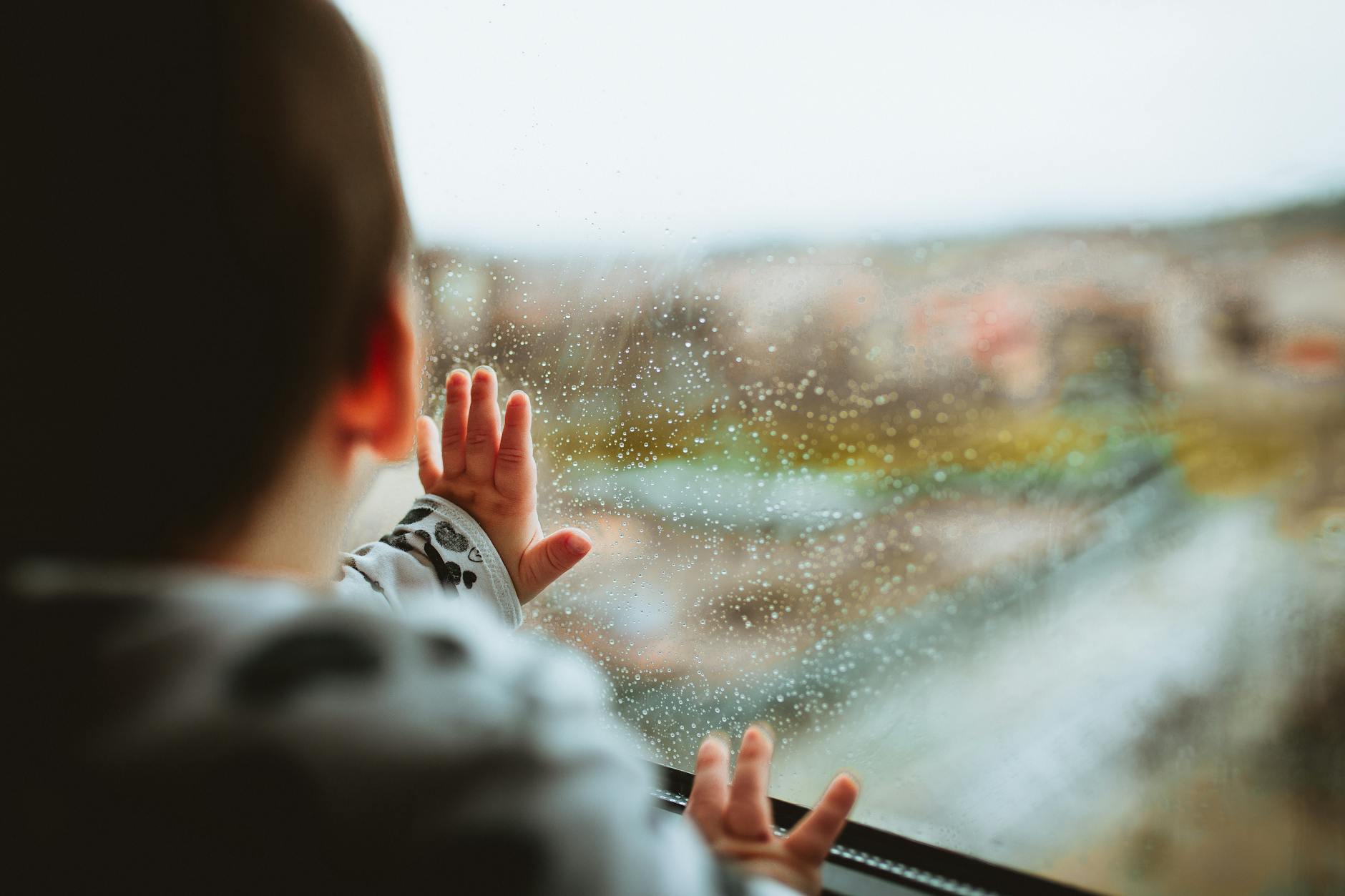
One toddler once looked up at the rain and said thoughtfully, “The sky is crying today.”
Another child watched the sky darken at sunset and shouted excitedly, “It’s Halloween!” as if nightfall had arrived just in time for trick-or-treating.
These observations reveal how toddler development includes curiosity, imagination, and storytelling.
When They Celebrate the Smallest Victories
In early childhood education, teachers celebrate small accomplishments every day. Children feel enormous pride when they achieve something new.
“Jenny! I pee-pee potty!” one child proudly exclaimed. When the teacher asked if she had really gone, the child replied with complete seriousness, “Why are you questioning my pee?”
Another child announced proudly, “I washed my hands all by myself!”—while still dripping water everywhere.
Moments like these remind us how powerful encouragement can be during toddler development.
Why These Moments Matter
The funny things children say are more than just entertaining stories. They offer a glimpse into how children think, learn, and interpret the world around them.
In early childhood education, teachers witness every day how imagination, curiosity, and language development grow together. Learning in the early years does not always look serious. Sometimes it looks like a child declaring that the sky is crying or that feelings can be glued back together.
These small conversations often become the most memorable moments of the day.
Growing With Tiny Humans
Working with young children means experiencing countless moments of curiosity, creativity, and laughter. Each day brings new discoveries and unexpected conversations that remind us how remarkable the early years truly are.
Watching toddler development unfold is one of the most rewarding parts of working in early childhood education. And sometimes, the funniest things tiny humans say become the stories teachers remember—and share—for years.
 Growing With Tiny Humans
Leave a comment