This reflection grew from my studies in early childhood education and my everyday experiences as a preschool teacher. The more I learn, the more I see how research connects to what happens in real classrooms every day.
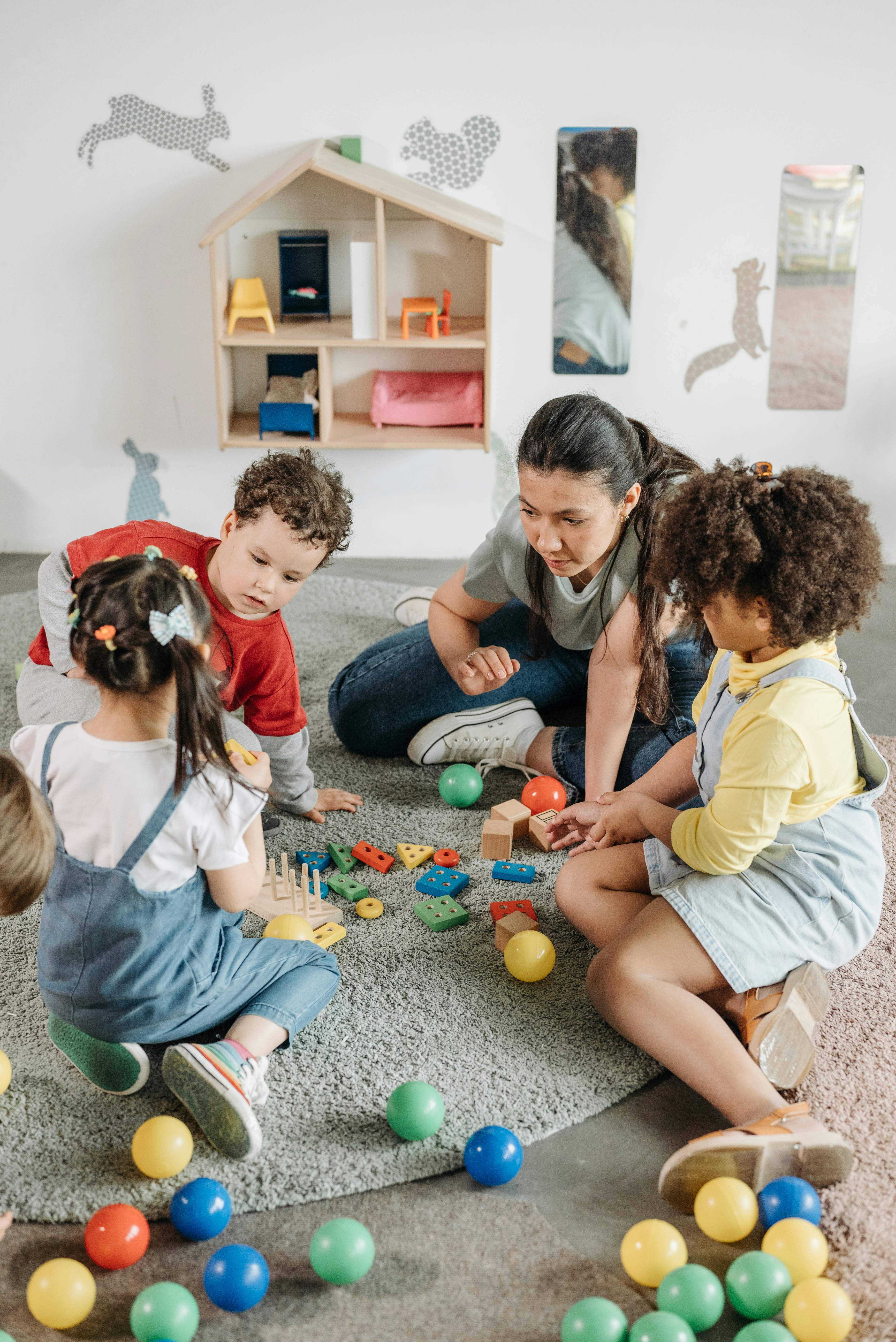
I believe one of the most important reasons driving change in early childhood education is the increase in scientific research on how young children grow, develop, and learn (Morrison, 2021). To me, this matters because research shapes almost everything we do in the classroom, from the way we teach children to the way we connect and build relationships with them. Over time, research has helped educators understand that young children learn best through play, communication, responsive interactions, and meaningful relationships. In my own classroom experience, I have learned that teaching is not simply about doing activities like reading a book or leading circle time. It is also about how we interact with children during those moments. When we slow down, listen to children’s ideas, respond to their questions, and follow their interests, learning becomes more meaningful for them. For example, during circle time, I have noticed that when I pause and give children time to share their thoughts or ask questions, they become more engaged, confident, and excited to participate. Those small everyday moments may seem simple, but they play an important role in supporting children’s growth and development.

The National Association for the Education of Young Children (NAEYC, 2020) outlines six professional standards that help guide educators as the field continues to change and grow. I see these standards as a strong foundation because they help keep teaching intentional, research-based, and developmentally appropriate while still allowing teachers to respond to each child’s individual needs. One standard that connects most directly to this change is Standard 1: Child Development and Learning in Context (NAEYC, 2020). This standard reminds teachers to see each child as an individual and to base teaching practices on how children actually learn and develop. In my classroom, this means creating activities that match children’s developmental levels, paying attention to their interests, and supporting them through meaningful interactions. It also reminds me to slow down and think about the “why” behind what I do each day instead of simply following routines.

In the end, I believe research is one of the most important reasons for change in early childhood education because it helps teachers become more thoughtful, intentional, and effective in supporting children’s learning. The NAEYC standards, especially Standard 1, help educators take research and turn it into real classroom practices that support children’s academic, social, and emotional growth (NAEYC, 2020).
References
Morrison, G. S. (2021). Early childhood education today (15th ed.). Pearson.
National Association for the Education of Young Children. (2020). Professional standards and competencies for early childhood educators.
Leave a Reply