Mealtimes are more than just a chance to eat. In early childhood settings, they are opportunities for children to build independence, practice social skills, explore healthy foods, and develop lifelong habits. While these moments are often enjoyable, they also require careful planning and supervision to ensure every child stays safe.

Two of the most common food-related emergencies in childcare settings are choking incidents and allergic reactions. By understanding common risks and implementing safe mealtime practices, educators and families can work together to create a safer environment for young children.
Why Young Children Need Extra Protection
Children under age 4 are at a greater risk for choking because they are still learning how to chew and swallow food effectively. Their airways are also much smaller than those of older children and adults, making it easier for food to become lodged in the throat (U.S. Department of Agriculture Food and Nutrition Service [USDA FNS], 2025).
Young children are also more vulnerable to food allergies. For some children, even a tiny amount of an allergenic food can trigger a reaction ranging from mild discomfort to a life-threatening emergency. Because of this, childcare providers must remain vigilant during every meal and snack.
Common Choking Hazards for Young Children
Certain foods pose a higher choking risk because of their shape, size, texture, or consistency. The American Academy of Pediatrics identifies foods such as hot dogs, whole grapes, nuts, seeds, popcorn, hard candy, raw carrots, apple chunks, marshmallows, and large spoonfuls of peanut butter as common choking hazards for young children (AAP, 2010).

Round Foods
Examples include:
- Whole grapes
- Cherry tomatoes
- Large blueberries
- Cherries
Safety Tip: Cut grapes and cherry tomatoes into quarters lengthwise and cut other round foods into small pieces before serving (CDC, 2026).
Hot Dogs and Sausages
Hot dogs are among the most commonly reported food-related choking hazards for children (AAP, 2010).
Safety Tip: Slice hot dogs lengthwise before cutting them into small bite-sized pieces.
Hard Foods
Examples include:
- Raw carrots
- Raw apple chunks
- Nuts
- Seeds
Safety Tip: Cook vegetables until soft and cut fruits into small, manageable pieces (USDA FNS, 2025).
Sticky Foods
Examples include:
- Thick spoonfuls of peanut butter
- Marshmallows
- Chewy candies
Safety Tip: Spread nut butters thinly on crackers or bread instead of serving large spoonfuls.
Foods Best Avoided for Children Under 4
- Popcorn
- Whole nuts
- Hard candy
- Chewing gum
- Cough drops
- Large marshmallows
Helping Prevent Food Allergy Reactions
Food allergies occur when the body’s immune system reacts to a food that is normally harmless. Reactions can range from mild symptoms, such as hives or itching, to severe and life-threatening anaphylaxis (Centers for Disease Control and Prevention [CDC], 2024).

The Nine Major Food Allergens
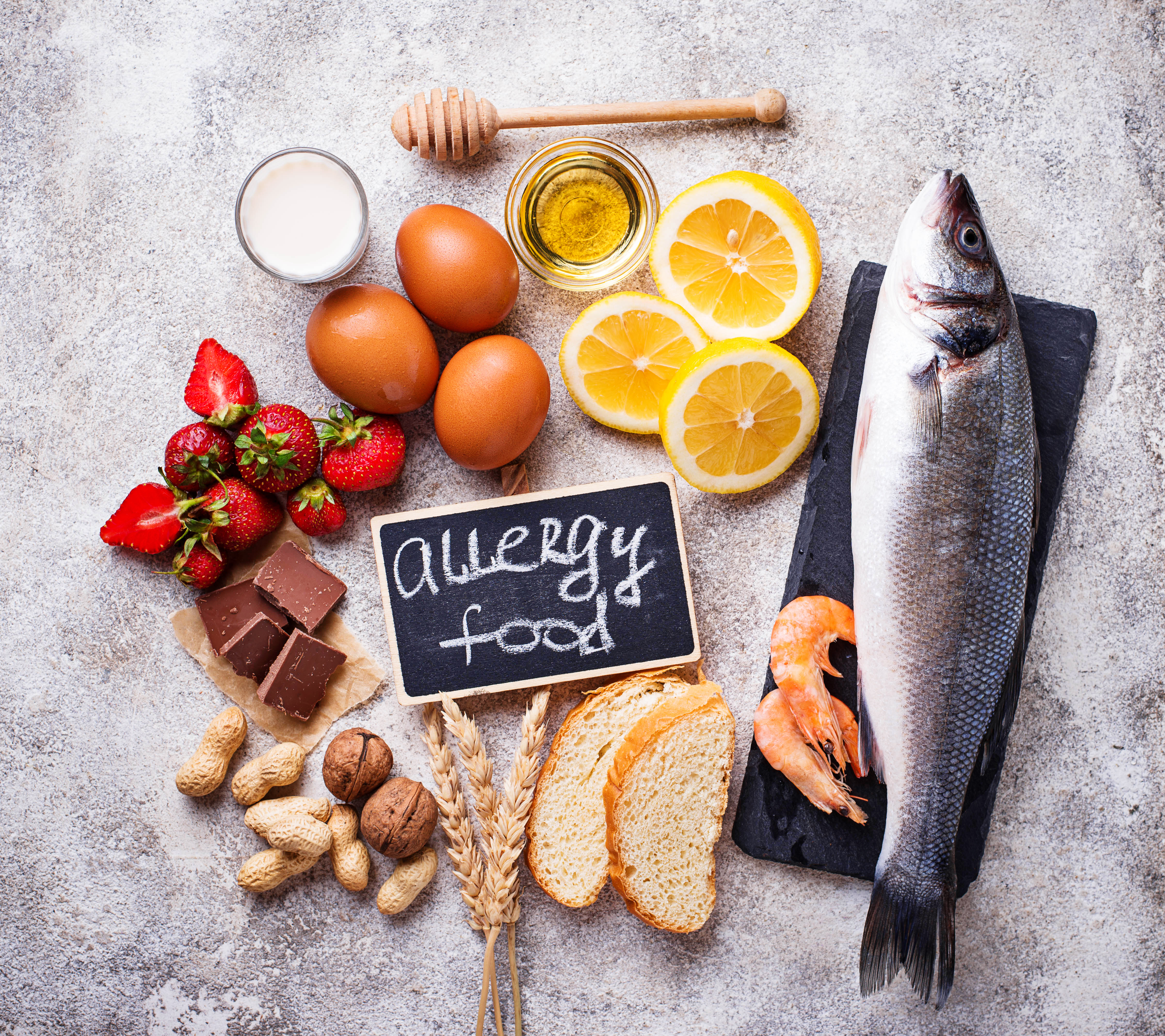
According to the U.S. Food and Drug Administration, the following foods account for most food allergy reactions in the United States:
- Milk
- Eggs
- Peanuts
- Tree nuts
- Soy
- Wheat
- Fish
- Shellfish
- Sesame

Tips for Preventing Allergy Incidents
- Know Each Child’s Allergy Plan – Teachers and caregivers should regularly review allergy information and know exactly what steps to take if a reaction occurs.
- Read Food Labels Carefully – Ingredients can change without notice. Always read labels before serving foods to children.
- Prevent Food Sharing – Children should never share food, drinks, utensils, or cups. Encouraging children to eat only their own food helps prevent accidental allergen exposure.
- Wash Hands Before and After Meals – Proper handwashing helps remove food residue that could trigger an allergic reaction in another child (CDC, 2024).
- Clean Eating Surfaces Thoroughly – Tables, chairs, and eating areas should be cleaned before and after meals to reduce allergen exposure.
- Follow School Policies for Outside Food – Foods brought from home may contain ingredients that are unsafe for some children. Following your center’s food policies helps protect everyone in the classroom.
Safe Mealtime Practices for Every Classroom
Creating a safe mealtime environment goes beyond food preparation.
- Children should:
- Sit while eating.
- Take small bites.
- Chew food thoroughly.
- Avoid running, playing, or lying down while eating.
- Adults should:
- Provide active supervision during meals and snacks.
- Serve age-appropriate food portions.
- Know children’s allergies and emergency action plans.
- Maintain current CPR and First Aid training whenever possible.
- Encourage children to eat slowly and safely.
These simple practices can significantly reduce the risk of choking and allergic reactions.
Downloadable Classroom Resources
To help families, teachers, and childcare providers put these safety recommendations into practice, I have created three free printable resources that can be used in classrooms, childcare programs, and at home.
📥 Mealtime Safety Cheat Sheet
The Mealtime Safety Cheat Sheet provides a quick visual reference for common choking hazards, safer food preparation methods, food allergy reminders, and important mealtime safety practices. It is ideal for posting near food preparation areas, classroom kitchens, staff workrooms, or family information boards.
Download the Mealtime Safety Cheat Sheet Here:
[Insert Cheat Sheet Link]
📥 Classroom Allergy Reference Form
The Classroom Allergy Reference Form helps teachers organize and quickly access important allergy information. The form includes space to record:
- Child’s name
- Known allergies
- Precautionary measures
- Important notes and reminders
This one-page resource can be stored in a classroom emergency binder, substitute teacher folder, or another secure location accessible to authorized staff.
Download the Classroom Allergy Reference Form Here:
[Insert Allergy Form Link]
📥 Classroom Mealtime Safety Checklist
The Classroom Mealtime Safety Checklist is a colorful daily reminder designed specifically for teachers and childcare providers. It includes key safety checks such as:
- Reviewing allergy information
- Checking emergency medications
- Ensuring children remain seated while eating
- Preparing foods in safe sizes
- Cleaning and sanitizing eating surfaces
- Completing handwashing routines
- Preventing food sharing
- Maintaining active supervision during meals
This printable checklist can be posted in the classroom, near meal preparation areas, or in staff spaces to help ensure important safety practices are followed consistently.
Download the Classroom Mealtime Safety Checklist Here:
[Insert Checklist Link]
A Quick Reminder
These resources are intended to support—not replace—your program’s health policies, allergy action plans, emergency procedures, or medical guidance. Always follow your center’s policies and each child’s individualized health care plan.
Working Together to Keep Children Safe
Keeping children safe during meals requires teamwork between families and educators. When parents and childcare providers communicate openly about allergies, food preferences, and safety concerns, children benefit from a more consistent and secure environment.
A few extra moments spent cutting grapes, modifying foods, reading labels, cleaning surfaces, and supervising meals can make a tremendous difference. By staying informed and proactive, we can help ensure that mealtimes remain safe, enjoyable, and positive learning experiences for all children.
References
American Academy of Pediatrics. (2010). Prevention of choking among children. Pediatrics, 125(3), 601–607.
Centers for Disease Control and Prevention. (2024). Food allergies in schools and early care and education programs.
Centers for Disease Control and Prevention. (2026). Choking hazards: Infant and toddler nutrition.
U.S. Department of Agriculture Food and Nutrition Service. (2025). Reducing the risk of choking in young children at mealtimes.
Leave a Reply